NRFI and YRFI MLB First-Inning Crypto Betting
 Available in US
Fast Settlements in NRFI and YRFI Betting
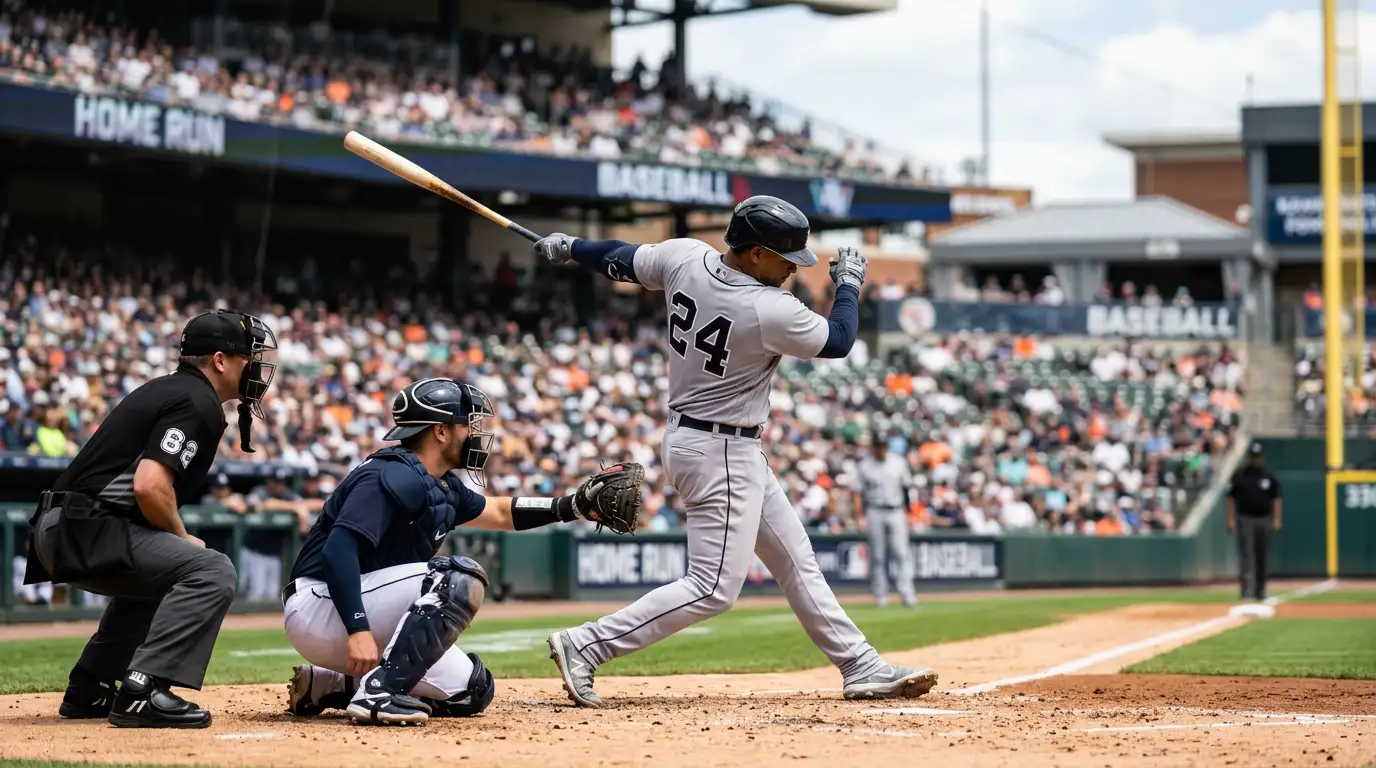
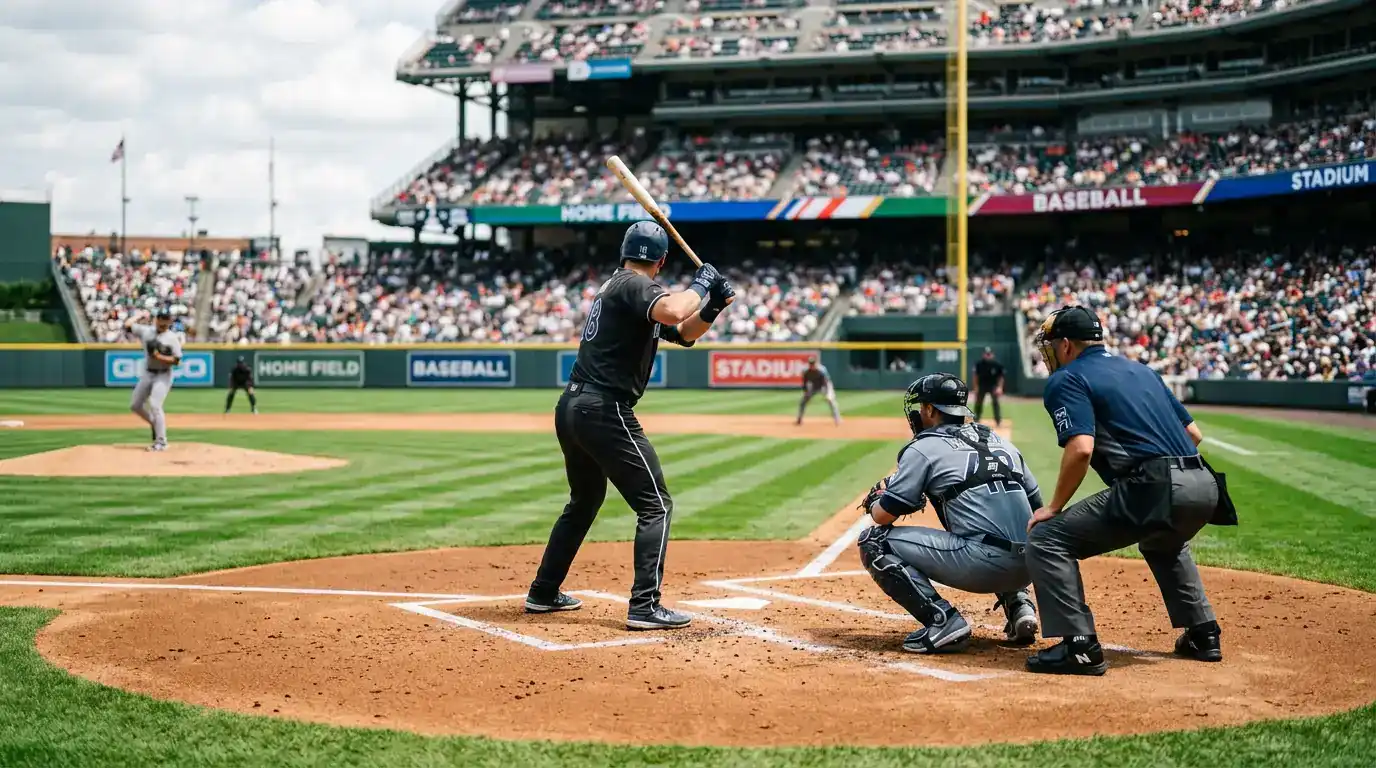
I tell newcomers that NRFI is the closest thing baseball has to a coin flip with an opinion. You wager on whether the first inning will produce a run, the bet settles in the time it takes you to make a sandwich, and you either get paid or move on. That brevity is exactly why crypto bettors keep gravitating to it – short cycle, clean settlement, on-chain payout before the second inning even starts.
For UK readers who have only ever bet on football match-result markets, NRFI feels alien at first. There is no half-time, no extra minutes, no VAR drama. The first inning is six outs of baseball – three on each side – and either someone scores or no one does. That binary is what makes the market so suited to a USDT or BTC stake on a crypto sportsbook.
Defining NRFI and YRFI
NRFI stands for “no run, first inning.” The wager pays if neither team scores in the top or bottom of the first. YRFI is the inverse – “yes run, first inning” – and pays if at least one run crosses the plate before the first inning ends. Almost every crypto sportsbook frames it as the binary NRFI versus YRFI; some use “Run in 1st Inning: Yes/No” labels but the mechanics are identical.
The market typically settles after both halves of the first are completed. If the away team scores in the top half, YRFI is already cashed and the book closes the market early. If the away side goes down in order, the bet rides until the home side bats. A walk-off win cannot happen in the first inning, so there is no edge case around incomplete innings – either six outs are recorded with no runs, or the run scores and the bet flips.
Pricing varies more than people expect. A heavy NRFI matchup, with two ace starters and a domed park, can hit −145 on the no-run side. A favourite YRFI scenario – say, a high-walk pitcher in Coors against a hot lineup – might price NRFI at +135. The crypto books mirror US offshore pricing closely, often within a half-point of juice.
The historical hit rate that matters
Across a typical MLB regular season – and the league’s 2025 regular season drew 71.4 million fans through the gate, the third straight year of growth – the league-wide NRFI hit rate sits in the high 50s percentage-wise. Roughly 56 to 59 percent of first innings end scoreless, depending on the year. That feels counter-intuitive to British punters who expect baseball to be high-scoring, but the first inning is the cleanest inning in the sport. Both teams are facing their starting pitchers’ freshest stuff, fastballs are at peak velocity, and the lineups have not had a look at the secondary pitches yet.
The number drifts season to season. Pitcher-friendly seasons push it towards 60 percent. Hitter-friendly seasons drop it under 55. The pitch clock and zoning changes of recent years have tightened pace without dramatically shifting the run environment in the first inning specifically – most of the offensive squeeze has hit the middle innings, not the opener.
What this means for the punter: the no-vig market sits around −135 to −145 on NRFI in most matchups. When a crypto book offers NRFI at −115, you have an edge. When it offers YRFI at +110, you probably do not. Line shopping across crypto books is unusually valuable here because the half-point swings show up as real money over a season.
Where crypto books list NRFI
Most major crypto sportsbooks carry NRFI as a stand-alone first-inning market on every game. A handful of smaller books bury it inside a “first inning” prop tab, sometimes as part of a “first to score” market that is mechanically different. Be careful with that one – “first to score” pays on which team scores first across the whole game, not on whether anyone scores in the first inning. The casual bettor confuses them and gets a nasty surprise.
The settlement experience on crypto rails is fast and clean. Bitcoin confirmation runs 10 to 60 minutes per block, Ethereum 12 to 30 seconds, Solana sub-second. An NRFI graded at 18:42 UK time will show as a confirmed deposit in your wallet within minutes if you used SOL or USDT on Tron. On Bitcoin you might still be waiting for a block when the second inning starts, but the bet is settled, the funds are released, and the on-chain transaction is broadcast – only the network confirmation runs longer.
Handicapping the leadoff and the opener
Three inputs drive my NRFI handicapping above all else: the leadoff hitter’s on-base percentage, the starting pitcher’s first-inning ERA, and the lineup against the pitcher’s primary pitch type. A leadoff man with a .380 OBP gets on base in roughly four of every ten plate appearances. From there, a single hard-hit ball can score him. That is the core mechanic that breaks NRFI.
Aaron Judge’s 2025 line – .331/.457/.688, 53 home runs, 124 walks, 124 RBI, 9.7 bWAR – is the kind of profile that wrecks NRFI when he bats second. A leadoff man with a strong OBP plus Judge in the two-hole is a YRFI factory. Conversely, two contact-shy lineups facing pitchers with sub-3.50 first-inning ERAs is the textbook NRFI setup.
The “opener” strategy – using a relief pitcher for the first inning before bringing in a long-relief starter – adds noise. Openers are often used because the first inning is dangerous against the top of the order, so a manager deploying an opener is implicitly saying “I do not trust my regular starter to navigate this lineup once.” That signal cuts towards YRFI more often than not. When you see a confirmed opener on the lineup card, treat it as a lean against NRFI unless the matchup is otherwise pitcher-dominant.
Staking NRFI in stablecoins
I default to USDT or USDC for NRFI bets, and the reason is simple variance management. About half of crypto casinos and sportsbooks now offer at least one stablecoin option specifically to insulate users from price drift mid-bet. NRFI is a 15- to 25-minute window. Even short windows can see Bitcoin move 1 to 2 percent on macro news. There is no reason to layer crypto-price exposure on top of a baseball wager that, by definition, you wanted to be a clean coin flip with an opinion.
The other reason is staking discipline. If your NRFI win is denominated in BTC, you might be tempted to “let it ride” on the next game because the dollar value is moving anyway. In stablecoins, your bankroll is your bankroll. A 50 USDT NRFI win is exactly 50 USDT and your unit size is fixed. That sounds boring. It is also one of the few unambiguous edges available to a recreational punter.
For TRC-20 USDT, network fees are pennies and confirmations are roughly 3 seconds. For ERC-20 USDC on a Layer 2 like Arbitrum or Base, fees are similarly low. Either choice fits an NRFI cycle. I avoid main-net Ethereum USDC for NRFI staking because the gas fees can swallow a percentage point of a small bet, and the inning is over before your deposit even confirms in worst-case mempool conditions. The mechanics of how short-window markets like NRFI fit into the broader inning-bracket family – 1 to 3, 1 to 7, last 5 – get the full treatment in the dedicated piece on MLB inning brackets on crypto books, which sits next to NRFI in the first-inning toolkit.
What is the league-average NRFI hit rate by MLB season?
It typically sits between 56 and 59 percent across a regular season. Pitcher-heavy years can push it towards 60 percent and hitter-friendly years can drop it just under 55, but the long-run figure stays close to that band.
Why do crypto sportsbooks offer NRFI as a stand-alone market while many UK retail books used to bury it?
Crypto books inherit the US offshore product depth, where first-inning markets have been priced for decades. UK high-street books historically prioritised match-result markets familiar to football punters and treated NRFI as a niche prop, often hidden in sub-menus or absent entirely.
Can NRFI be parlayed across multiple MLB games on a crypto sportsbook?
Yes – most crypto books allow NRFI to be parlayed across the day’s slate. A 4-game NRFI parlay typically prices around plus 700 to plus 850, depending on the matchups, and settles cleanly because each leg resolves in the first half-hour of its respective game.
Published by the mlb Baseball Crypto Betting team.