Betting the MLB All-Star Game on Crypto Sportsbooks
 Available in US
The bet that does not behave like baseball
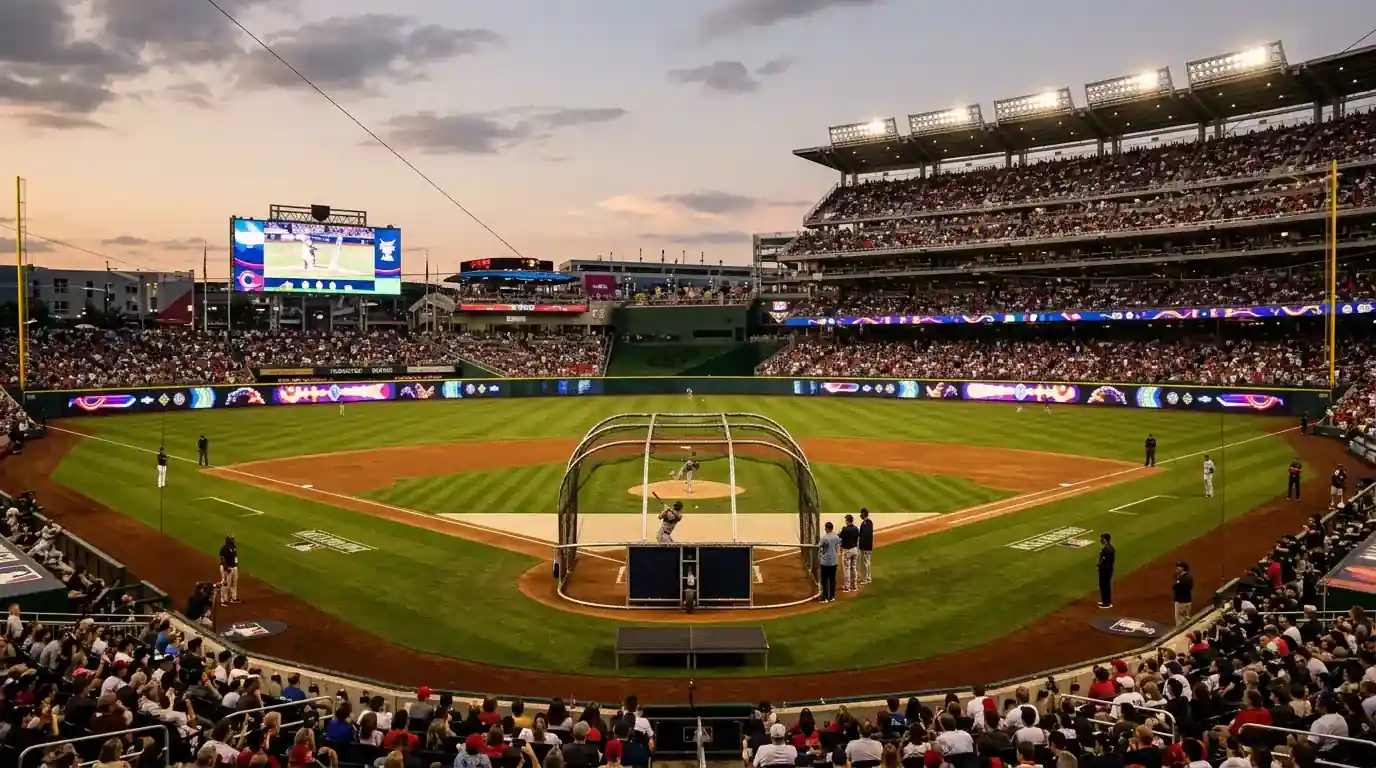
Every July I watch the All-Star Game and remind myself that the people on the field are not playing the same sport they played the night before. The pitchers throw one inning maximum and pull every breaking ball out of their arsenal. The position players take three pitches per at-bat and run the bases like they are insured for damage. The result is a baseball game that looks like baseball but resolves like a coin toss. Crypto sportsbooks list it anyway, and the betting public bets it heavily.
For UK punters who have learnt to handicap regular-season MLB matchups by looking at starting pitchers, lineups, and bullpen state, the All-Star Game punishes that approach. Almost none of those inputs work. What you need instead is a different framework entirely, and the crypto books pricing the markets know this.
Mid-summer classic mechanics
The All-Star Game is a single exhibition fixture played on the Tuesday after the Home Run Derby in mid-July. American League versus National League, with rosters chosen by a combination of fan vote, player vote, and commissioner’s selections. The game now uses a tiebreaker rule introduced in 2022 to avoid extra innings stretching into the night, with each side starting a runner on second base from the tenth inning onward.
The structural pricing problem is that no manager will let any pitcher throw more than 25 pitches, and most will pull starters after a single inning regardless of how dominant they look. A starting pitcher leaving with a 1-0 lead in the second inning is the rule, not the exception. The bullpen handoffs are sequential rather than situational, meaning you cannot predict which reliever faces a particular hitter beyond the broad strokes of which league he plays for.
Crypto books typically open the moneyline within 5 cents of pick-em (-105 to +105 either side) and the run line at 1.5 with vig closer to standard. Totals open at 7.5 to 8.5 runs depending on the host park, and movement on the totals through the seven days of pre-game wagering is far larger than movement on regular-season totals. The line moves with public action rather than with sharp money, because there is genuinely no sharp angle.
The MVP prop market
The All-Star Game MVP is the most heavily-traded prop on the entire fixture, and the pricing varies wildly across crypto books in the days before first pitch. The favourite typically opens at +800 to +1200 (a top hitter with a hot first half), with twenty or more players priced between +1500 and +5000.
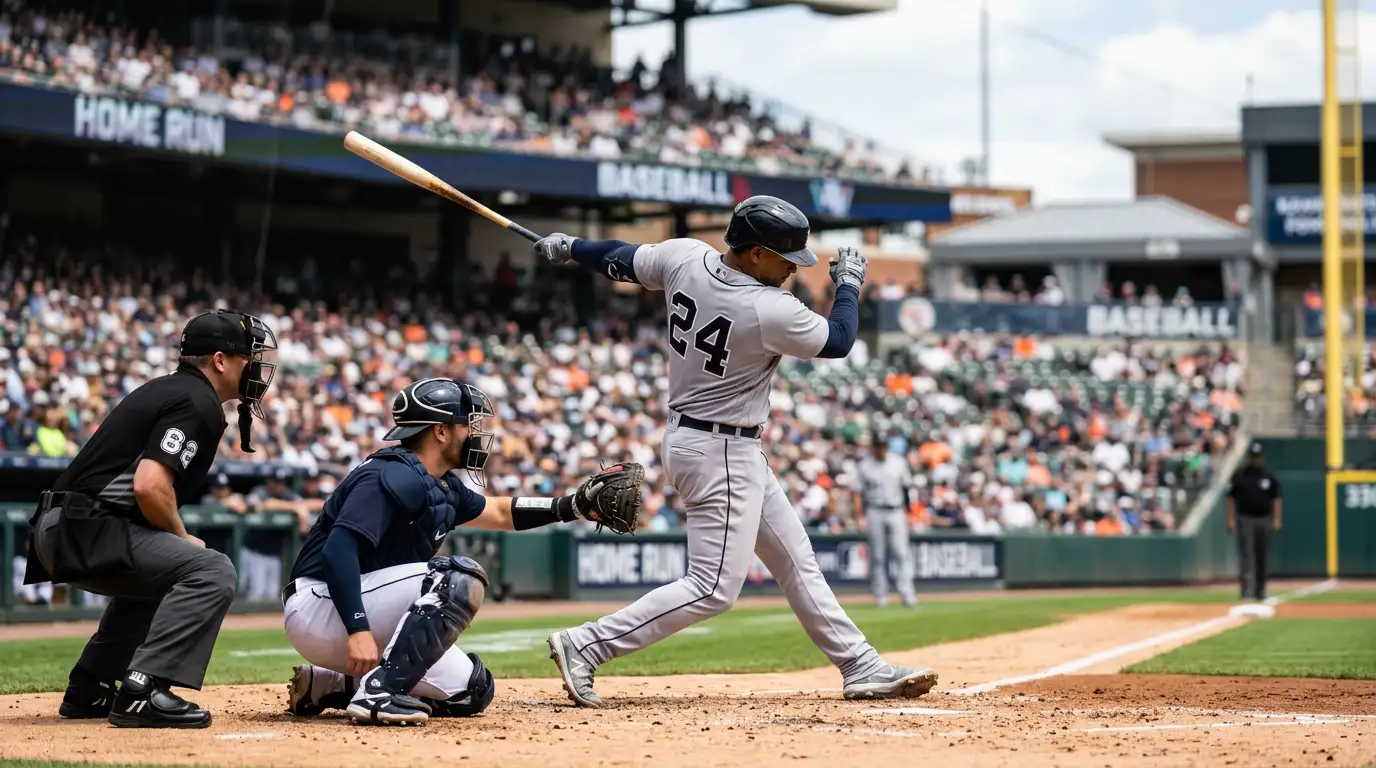
The structural reality of MVP voting is that it usually goes to a hitter who hits a significant home run, and most often a hitter who plays multiple innings. American League starting outfielders and DH typically play through five innings before substitutions; pitchers rarely win MVP unless they throw multiple scoreless innings as a starter. Aaron Judge’s 2025 line of .331 batting average, .457 on-base, .688 slugging, with 53 home runs, 124 walks, 124 RBI, and 9.7 bWAR, is the kind of profile that compresses MVP odds because the rational expectation is that he hits one out and gets the trophy if he plays at all.
The bettor’s edge sits in the second-tier names priced at +2000 or longer. Players who will get only two at-bats but are likely to bat in clean situations (third or fourth in the order, fresh against a tiring opener) carry better implied value than the headline favourites. The maths is simple: the MVP almost always comes from the top six in either lineup, and a player priced at +3500 in that group has more genuine probability than the price suggests.
Home Run Derby crypto markets
The Home Run Derby on the Monday before the All-Star Game is its own ecosystem of betting markets. Crypto books list outright winner, exact match-up brackets, total home runs by an individual hitter in the first round, head-to-head winners in each bracket round, and a series of exotic props (most home runs in a single round, longest home run, fastest home run by exit velocity).
The 2025 season produced four players with 50-plus home runs, a level of power concentration the sport had not seen since the steroid era. Cal Raleigh, Kyle Schwarber, Shohei Ohtani, and Aaron Judge all crossed the threshold, and any combination of them in a Derby field would compress the outright odds significantly. The 2025 season also saw seven players post 30 home runs and 30 stolen bases in the same season, a record for the live-ball era. Power and speed are simultaneously at peaks, which means Derby fields trend deeper than they used to.
Derby pricing has its own quirks worth knowing. Books typically open the favourite at +220 to +280, the second-tier hitters at +400 to +600, and the field at +1500 or longer. The fatigue factor is real and undervalued by retail bettors. A hitter who reaches the final round will have swung 60 to 80 maximum-effort cuts in the previous two rounds, and the win rate on outright finalists is materially lower than the bracket maths suggests. Hitters who win Derby titles often have high contact rates rather than maximum exit velocity, because efficient hitters can sustain their swing longer without breaking down.
Why I scale stakes down for All-Star markets
The All-Star Game is the single fixture in the MLB calendar where I unconditionally cut my unit size in half. The reason is not that the bets are bad value, though they are usually below average value. The reason is that the variance is too high to estimate with any confidence, and any bet I place is closer to a flier than a thesis-driven position.
The 2025 regular season averaged 2 hours 38 minutes per game with only 3 games out of the entire schedule running past 3:30 in nine innings, a pace driven by the pitch clock and the league’s emphasis on tighter game management. The All-Star Game runs longer than that on average because pitchers are slower, the ceremony before each half-inning extends commercial windows, and the tiebreaker runner rule from the tenth inning onward changes how managers manage. The pace is closer to a 2010-era game than a 2025 regular-season game, and live betting markets behave accordingly.
What I do bet, with discipline: a small total play (rarely the side, almost always the over or under depending on park), one MVP flier on a second-tier name, and absolutely nothing on the moneyline. The moneyline price reflects pure variance with no edge available to a retail bettor, and the bet sits at expected loss equal to the vig with no compensating skill component. There are better uses of bankroll than the All-Star moneyline.
Stablecoin staking on a one-night event
The All-Star Game is one of the cleanest events in the calendar for using crypto-rail stablecoins specifically. The bet window opens roughly seven days out and closes when the game ends. There is no rationale to introduce BTC or ETH price drift over a seven-day window when the underlying event is already a high-variance one-night fixture.
About half of crypto casinos and sportsbooks now offer stablecoin support natively, and TRC-20 USDT or Solana-based USDC are the cheapest networks to deposit and withdraw on. A 100 USDT All-Star Game stake settles in seconds at deposit, the bet runs for three hours, and the payout returns within minutes of the game ending. There is no part of that timeline where BTC volatility would help. There are several scenarios where it would hurt.
For punters who carry a regular-season betting bankroll in BTC and want to engage with the All-Star Game without converting, the practical workaround is to skip the All-Star Game entirely and use the off-night to plan for the second-half regular season instead. The opportunity cost is small, the variance reduction is real, and the discipline transfers to other one-off events.
The festival window for the betting calendar
The All-Star break is a four-day shutdown of regular-season MLB. From the Sunday before the All-Star Game to the Thursday afterward, no regular-season games are played. The All-Star Game itself, the Home Run Derby, the Futures Game (minor-league prospects), and the Skills Competition are the only MLB-branded events on offer, and crypto books list markets on most of them.
The break is when I do my second-half futures review. World Series odds, division-winner odds, and individual MVP and Cy Young futures all reprice during the break as books absorb first-half results and project forward. A team leading its division by four games at the break with a -200 division future may be the same team that opened the season at +180; the move reflects the cumulative first-half evidence that the futures market initially mispriced.
For UK bettors using crypto rails, the All-Star break is also the natural moment to do a halfway-mark review of bankroll performance. The first half of the season produces 81 games per team and roughly 1,200 individual game outcomes across the league. By mid-July your sample size is large enough to evaluate which markets you have edge in and which you do not. The deeper futures and prop framework that pairs with this kind of mid-season review continues in the dedicated piece on MLB World Series futures on crypto rails.
Why are MLB All-Star Game moneyline odds so close to pick-em on crypto sportsbooks?
The structural reality of an exhibition game with one-inning pitching limits and aggressive substitution patterns means the matchup is closer to a coin toss than a regular-season game with rotation starters. Crypto books open the moneyline tight because there is no defensible edge to either side, and the small vig is the book’s expected return.
Does the Home Run Derby outright winner pay differently in BTC versus stablecoin on a crypto book?
The pricing in odds is identical regardless of which coin you stake. The differences come from network fees and price drift between the bet placement and settlement windows. Stablecoin staking removes the price-drift element. BTC staking adds it. The Derby is a one-night event so the drift is small but non-zero.
When does All-Star Game MVP betting close on most crypto sportsbooks?
MVP markets typically close at first pitch and do not reopen as a live market in most cases. A handful of books offer in-play MVP markets that re-price as innings progress, but these are uncommon. Pre-game MVP wagers are the standard product, with limits cut significantly in the final two hours before first pitch.
Prepared by the mlb Baseball Crypto Betting editorial staff.